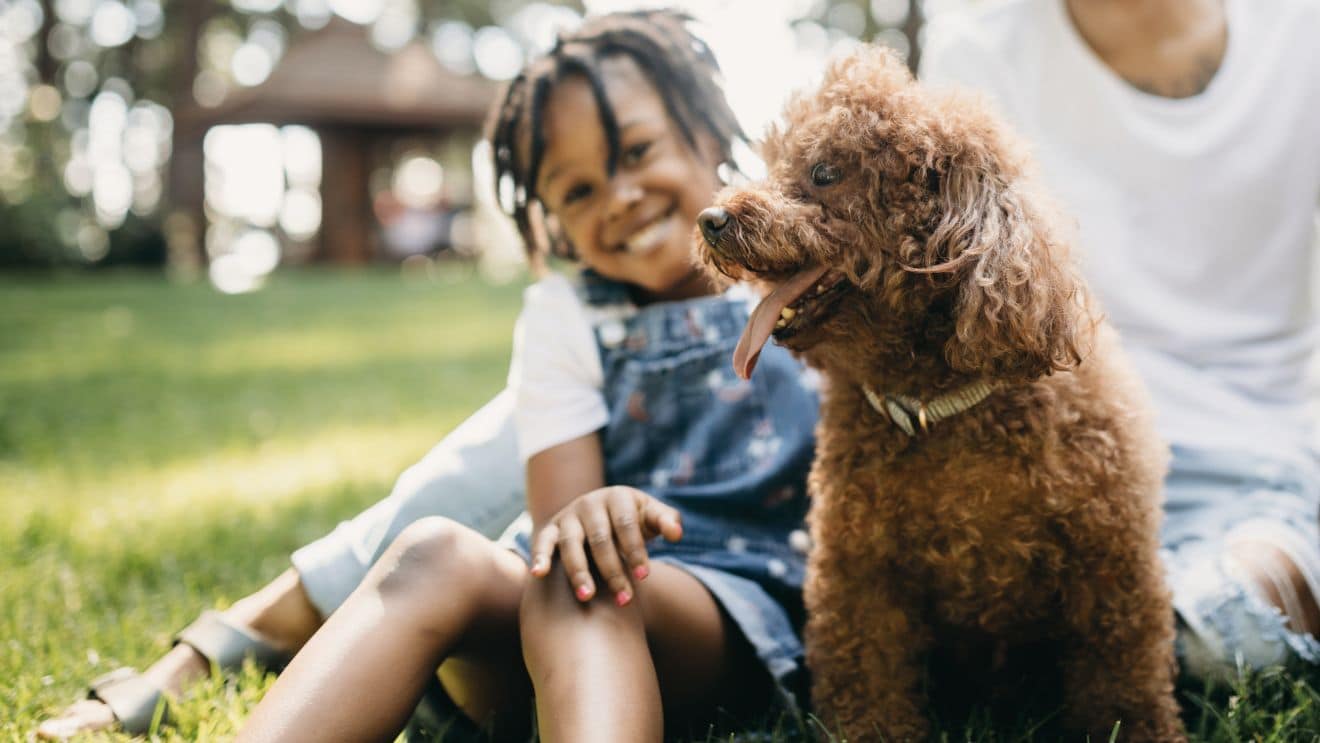

Dog bite prevention for children is one of the most effective ways parents can reduce the risk of serious injuries and help kids safely interact with dogs in everyday situations. As a private investigator, I’ve worked on cases involving dog bites, liability claims, and personal injury lawsuits. One of the most heartbreaking aspects of these cases is that many incidents could have been prevented with proper awareness and education.
Dog bite prevention isn’t just a concern for families with dogs—any child can be at risk when interacting with dogs in public spaces, at friends’ homes, or even with a familiar pet. This guide will help parents understand dog behavior, recognize warning signs, and teach their children how to stay safe around dogs.
Understanding Dog Bite Risks for Children
1. Why Are Children More at Risk?
- Size & Height: Children are often at a dog’s eye level, making their face and hands easy targets in an attack.
- Unpredictable Movements: Kids may run, scream, or grab a dog unexpectedly, triggering a defensive or prey-driven response.
- Lack of Awareness: Many children assume all dogs are friendly and don’t recognize warning signs of aggression or fear.
2. Common Scenarios Leading to Dog Bites
- Approaching an unfamiliar dog too quickly
- Hugging, pulling on ears/tail, or climbing on a dog
- Taking away food, toys, or disturbing a resting dog
- Startling a sleeping or sick dog
- Trying to “rescue” a scared or injured dog
Dog Bite Prevention: Recognizing Warning Signs
As a private investigator, I’ve seen many cases where dog owners claimed their dog “just snapped,” but the truth is that most dogs give warning signs before biting.
Watch for These Signs of Stress or Aggression:
- Growling or showing teeth
- Ears pinned back
- Tense body posture
- Tail stiff or wagging slowly (fast, loose wagging is friendly)
- Licking lips or yawning excessively
- Avoiding eye contact or turning away
If a dog displays any of these signs, children should immediately back away and give the dog space. Recognizing these behaviors is crucial for dog bite prevention and ensuring safe interactions.
How to Teach Children Dog Bite Prevention
1. The Right Way to Approach a Dog
- Always ask the owner’s permission before petting a dog.
- Let the dog sniff a closed fist first before reaching out to pet.
- Avoid hugging or leaning over the dog—this can be perceived as threatening.
- Pet gently on the side or chest instead of the face or top of the head.
2. What to Do If a Dog Acts Aggressively
- Stay calm—don’t scream or run.
- Avoid eye contact (staring can be seen as a challenge).
- Stand still like a tree—arms crossed, looking down.
- If knocked over, curl into a ball and protect the neck and face.
3. Safe vs. Unsafe Interactions
Safe:
- Petting a calm, friendly dog with owner supervision
- Giving a dog space when it’s eating or sleeping
- Watching a dog’s body language before approaching
Unsafe:
- Running up to a strange dog
- Taking away food, treats, or toys
- Climbing on, hugging, or wrestling with a dog
- Interrupting a dog while it’s sleeping or resting

Dog Bite Prevention Tips for Parents
1. Educate Children Early
Teaching dog safety should start as soon as a child can walk. Even if your family doesn’t own a dog, your child will inevitably encounter dogs in public spaces, at parks, or at friends’ houses. Early education is key to dog bite prevention.
2. Supervise All Dog-Child Interactions
No matter how well you know a dog, never leave young children alone with a dog. Even the gentlest dog can bite if startled, scared, or in pain.
3. Set Rules for Interacting with Dogs
- No rough play (tug-of-war, wrestling, or chasing)
- No touching a dog’s food, bones, or toys
- No waking up a sleeping dog
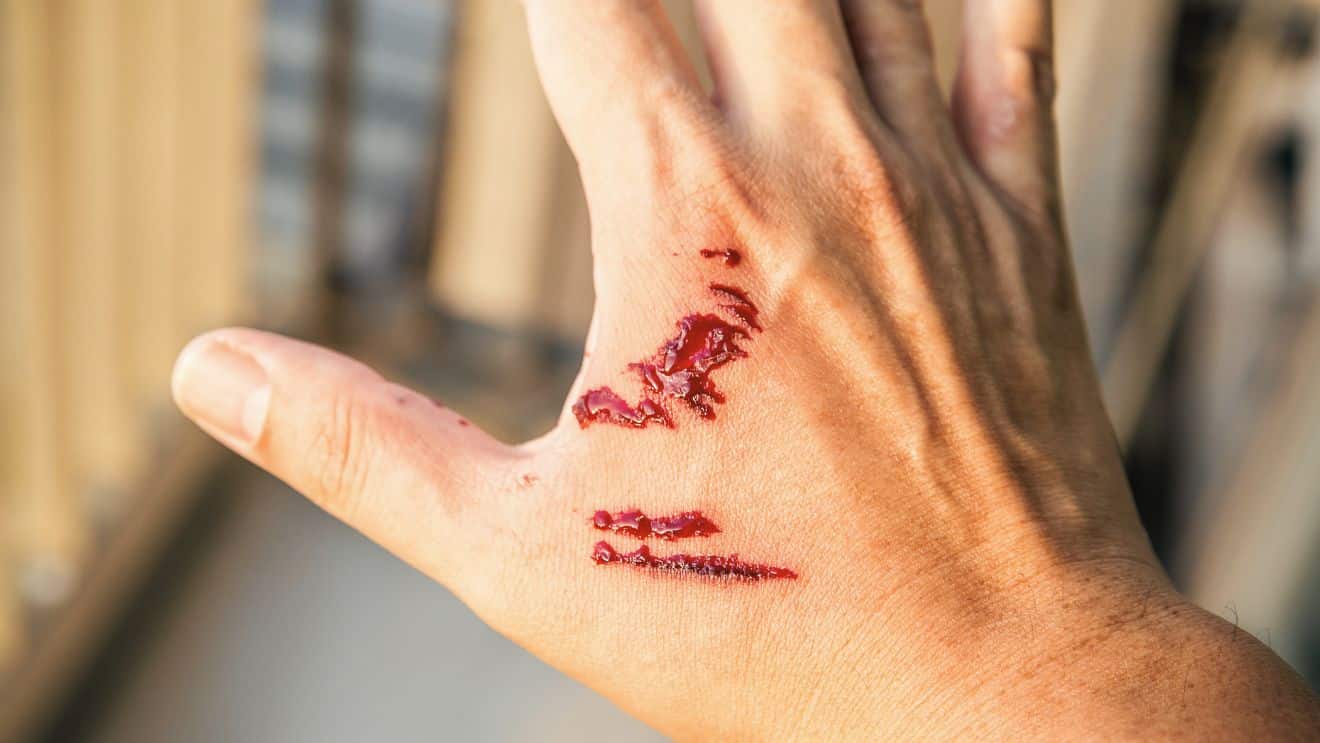
4. Know How to Respond If a Bite Occurs
If your child is bitten, take immediate action:
- Clean the wound with soap and water.
- Seek medical attention if the bite is deep or bleeding doesn’t stop.
- Report the bite to animal control if the dog is unfamiliar or acting aggressively.
- Document the incident (photos of the wound, details about the dog and owner).
Conclusion: Prevention Is Key
As a private investigator, I’ve seen the legal, emotional, and physical toll dog bites take on families. Dog bite prevention for children starts with education, awareness, and supervision. By teaching your child how to interact safely with dogs, you can help prevent painful injuries and stressful situations.