

As an experienced private investigator, I’ve worked on cases involving car accidents, insurance fraud, and vehicle-related crimes. Through my investigations, I’ve seen how a lack of awareness and preparation can turn a routine drive into a dangerous situation. New driver safety is critical to preventing accidents, theft, and legal trouble.
Whether you’re a new driver or a parent guiding a teen behind the wheel, staying informed about safe driving for new drivers can make all the difference. This guide will help you understand the risks and provide practical tips to enhance new driver safety on the road.
Top Risks for New Driver Safety
1. Distracted Driving and New Drivers
One of the biggest dangers to new driver safety is distraction. Texting, checking social media, changing music, or eating while driving can lead to devastating consequences. Many of the car accident investigations I’ve worked on involved drivers who took their eyes off the road for just a few seconds.
How to Stay Safe:
- Put your phone on Do Not Disturb or use a hands-free device if absolutely necessary.
- Program your GPS and playlist before starting the car.
- Avoid eating, applying makeup, or any other activity that takes your focus off driving.
2. Speeding and Reckless Driving Risks for New Drivers
Many new drivers underestimate how speeding can reduce reaction time, leading to dangerous situations. Speeding-related accidents often occur at intersections, curves, and during lane changes.
How to Stay Safe:
- Follow posted speed limits—they exist for a reason.
- Keep a safe following distance (at least three seconds behind the vehicle in front of you).
- Avoid tailgating or aggressive driving behaviors.
3. Driving at Night or in Bad Weather
Driving at night or in poor weather conditions significantly increases risks for new driver safety, including accidents, breakdowns, and visibility issues. Many hit-and-run cases I’ve investigated happened at night, often due to low visibility or impaired drivers.
How to Stay Safe:
- Avoid night driving until you gain more experience.
- Use your headlights correctly (low beams in fog, high beams only in dark, open roads).
- Slow down in rain, fog, or icy conditions to maintain control.

4. Vehicle Theft and Carjackings: Protecting New Drivers
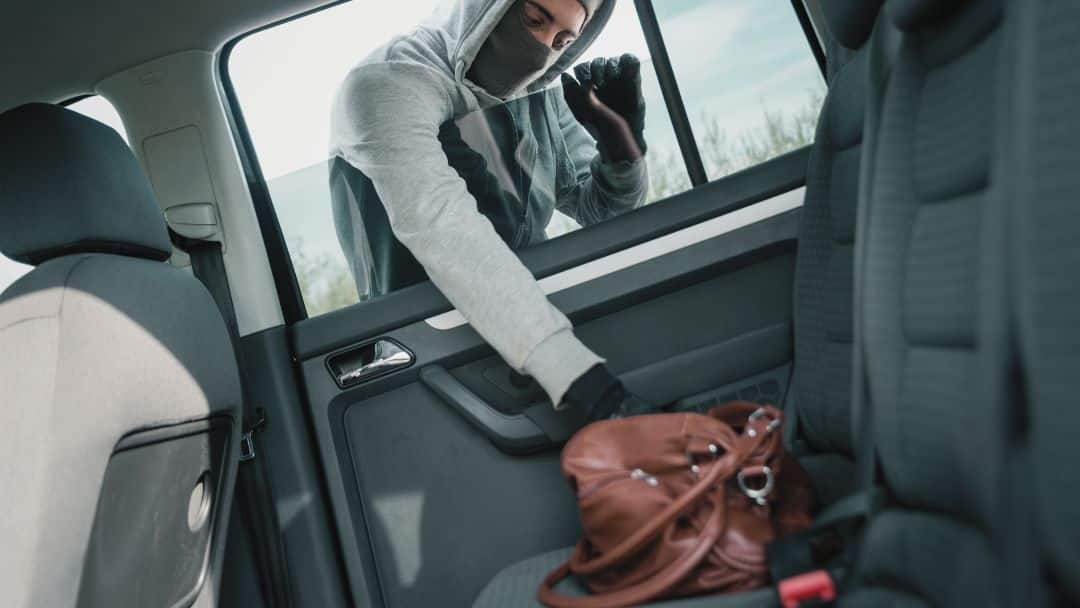
New drivers, especially teens with flashy cars, are often targeted for auto theft or carjackings. As a private investigator, I’ve handled multiple cases of stolen vehicles where the owners left them unlocked or parked in unsafe areas.
How to Stay Safe:
- Always lock your doors and roll up windows, even when making a quick stop.
- Park in well-lit, secure areas with surveillance cameras.
- Never leave valuables, purses, or electronics in plain sight.
5. Road Rage and Aggressive Drivers
Some drivers become aggressive when they see an inexperienced driver on the road. As an investigator, I’ve seen road rage incidents escalate into full-blown confrontations or accidents.
How to Stay Safe:
- Avoid eye contact or engaging with aggressive drivers.
- If someone follows or harasses you, drive to a police station or well-populated area.
- Stay calm and never retaliate with aggressive driving behaviors.
6. Understanding Insurance and Legal Responsibilities for New Drivers
Many new drivers don’t fully understand their insurance policies or what to do after an accident. In my investigations, I’ve seen drivers make costly mistakes, such as admitting fault at the scene or failing to report minor accidents.
How to Stay Safe:
- Know the minimum insurance requirements for your state.
- In an accident, document everything (photos, witness info, and police report if necessary).
- Never admit fault—let the insurance companies and law enforcement determine liability.
Essential New Driver Safety Tips
1. Always Wear Your Seatbelt
It sounds obvious, but seatbelt use reduces the risk of serious injury by over 50%. Safe driving for new drivers starts with this simple habit.
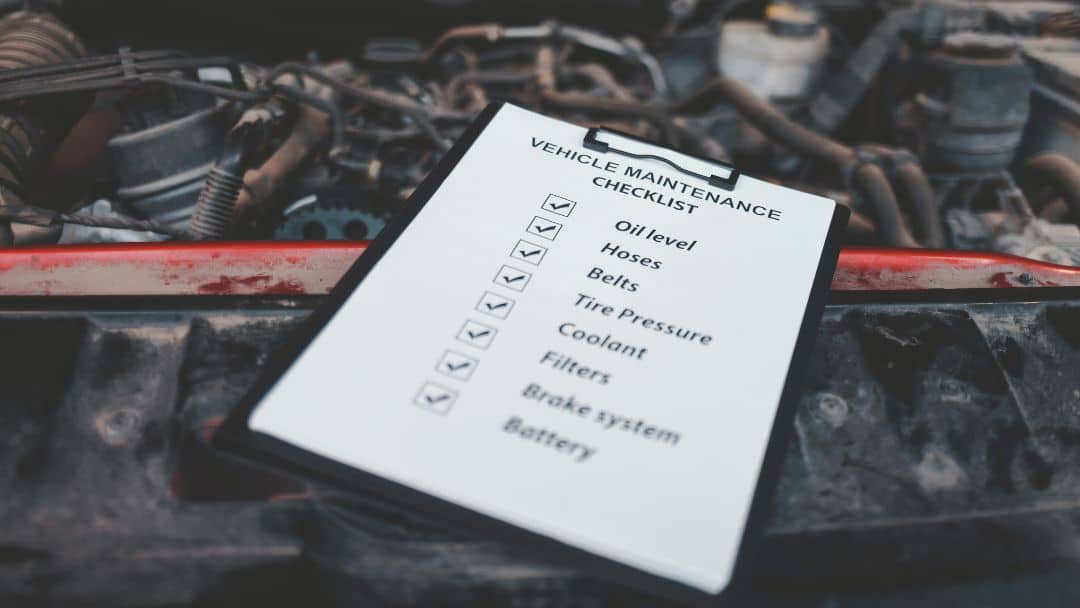
2. Maintain Your Vehicle for Safe Driving
Regular maintenance prevents unexpected breakdowns. New drivers should regularly check:
- Tires (pressure and tread)
- Brakes (no squeaking or grinding noises)
- Oil and fluids (coolant, brake fluid, windshield washer)
3. Plan Your Route in Advance
Avoid last-minute lane changes and GPS distractions by knowing your route before driving.
4. Be Cautious in Parking Lots
Many fender benders happen in parking lots. New drivers should watch out for pedestrians, slow-moving cars, and blind spots when backing out.
5. Keep an Emergency Kit in Your Car
Prepare for unexpected situations by keeping:
- A spare tire, jack, and tire iron
- Jumper cables
- A flashlight and extra batteries
- First-aid kit
- Emergency contact numbers
Final Thoughts: Drive Smart, Stay Safe
New driver safety is about awareness, caution, and preparation. I’ve seen how small mistakes can lead to major consequences. The best advice I can give? Stay alert, follow the rules of the road, and never take safety for granted.