

There are many reasons why you may need to find someone. You may need to serve court papers. You may be looking for a witness. You may need to find a former tenant who owes money. You may also want to reconnect with a family member or old friend.
At first, the search may seem easy. You may type the person’s name into Google or look on social media. You may even pay for a people-search website. But these searches often lead to old addresses, wrong phone numbers, or records that belong to someone else.
When basic searches do not work, you may need a private investigator to find someone. Investigators often call this type of work a **skip trace** or **locate investigation**. The goal is not just to find a name in a database. The goal is to develop useful information about where the right person may now live, work, or receive contact.
This article explains what a private investigator may be able to do, how the search works, and what you should know before hiring someone.
Can a Private Investigator Find Someone?
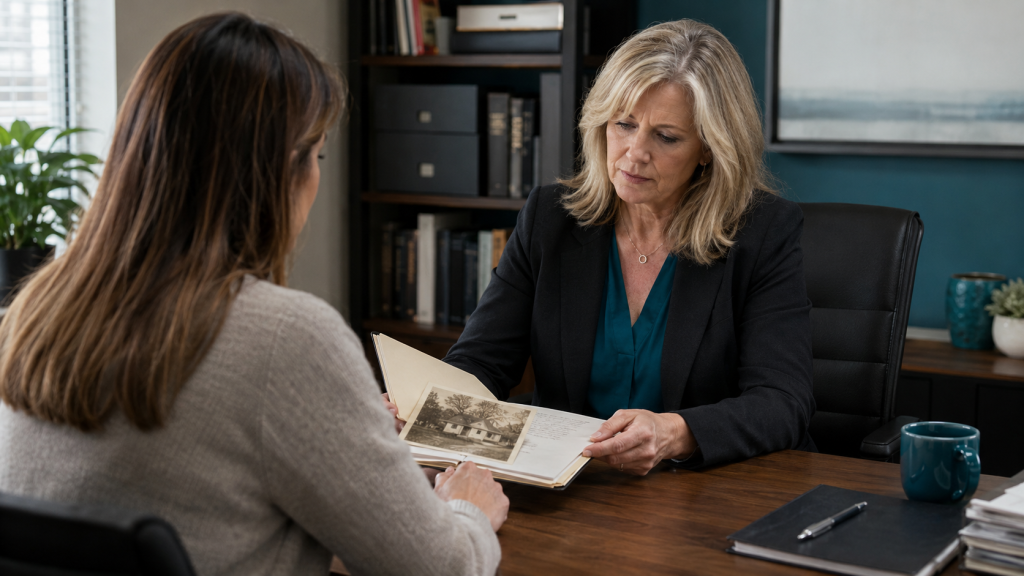
In many cases, yes. A private investigator may be able to find someone who has moved, changed a phone number, or stopped using an old address. However, no investigator can promise that every person will be found.
Some people are easy to locate. They may have a recent address, an uncommon name, and many public records. Other people are much harder to find. They may move often, use different names, or have very few records tied to them.
An investigator may be hired to locate:
- A person who needs to be served with court papers
- A witness in a civil or criminal case
- A former tenant who owes money
- A judgment debtor
- An heir or possible family member
- A former employee or business partner
- An estranged relative or old friend
The reason for the search matters. A licensed private investigator should ask why you want to find the person. This helps the investigator decide whether the search is lawful and whether the requested information may be released.
A locate investigation is different from an emergency missing-person case. If a child, older adult, or other vulnerable person may be in immediate danger, contact law enforcement right away. A records-based skip trace should not take the place of emergency help.
It is also important to have realistic expectations. An investigator may develop a strong current address, but an address alone does not prove that the person is home at that moment. The investigator may need to verify the address through more than one source. In some cases, fieldwork or surveillance may be needed before the location can be confirmed.

How Do Private Investigators Find Someone?
Private investigators use many sources to find people. There is no single website or database that always has the right answer. Good investigators compare information from several places.
The search may begin with records tied to the person’s name, date of birth, Social Security number, phone number, or past address. The investigator may review address histories, property records, court records, business filings, voter records, professional licenses, and other lawful sources.
The investigator may also look for links between the person and other people. These may include relatives, roommates, spouses, former partners, or business contacts. A person who has few records in their own name may still appear in records connected to someone close to them.
Social media can also provide clues. A public post may show a new city, employer, school, or family connection. Investigators must still be careful. Public profiles can contain false or outdated information.
The most important part of a skip trace is not finding a possible address. It is deciding whether that address is likely to be current and tied to the correct person.
For example, a database may list six addresses for one person. The newest address is not always the best one. It may belong to a relative. It may be a mailing address. It may also be an address the person used years ago that was added to the system much later.
An investigator may compare dates, phone records, property information, court filings, and household members. If several sources point to the same place, the address becomes a stronger lead.
In some cases, the investigator may call phone numbers or conduct discreet fieldwork. The investigator may look for other lawful facts that connect the person to the property. The steps used will depend on the purpose, budget, and facts of the case.
This is why a professional locate investigation is different from a quick online people search. A low-cost website may give you a long list of data. An investigator studies the data and tries to determine what it means.
What Information Do You Need to Find Someone?
You do not need to know everything about a person before starting a search. Still, every correct detail can help. More information makes it easier to separate the right person from others with the same or a similar name.
Useful starting information may include:
- Full legal name
- Middle name or middle initial
- Maiden name, nickname, or other name used
- Date of birth or approximate age
- Social Security number, if lawfully available
- Last known address
- Past cities, counties, or states
- Current or former phone numbers
- Email addresses
- Past employers or type of work
- Names of relatives, spouses, or roommates
- Vehicle information
- School, military, or business history
- A recent photograph
You should also explain where the information came from. A confirmed address from a recent court paper may be more helpful than an address copied from an old online profile.
Small details can make a big difference. Suppose you need to find someone named Michael Johnson. That name may belong to thousands of people. Knowing that Michael is about 45 years old, once lived in Fresno, worked in construction, and has a sister named Teresa can narrow the search.
Do not guess when you are unsure. Tell the investigator which facts are confirmed and which ones may be wrong. A wrong birth date or middle name can send a search in the wrong direction.
It also helps to share the last known contact. When did you last speak with the person? Where did the person live then? Were court papers returned? These facts help the investigator understand what has already happened.
Before the search begins, explain why you need the person located. Someone searching for a witness may need different information than someone trying to serve a defendant. The purpose may affect which records can be used, what information can be reported, and whether extra verification is needed.
Can a Private Investigator Find Someone Who Does Not Want to Be Found?
Sometimes. A person may be harder to locate when they are avoiding contact, but that does not always mean they have disappeared from every record.
People still create connections as they go through daily life. They may rent or buy a home, register a vehicle, file a court case, apply for a license, start a business, use a phone number, or live with a relative. Any of these facts may create a new lead.
Some people do not mean to hide. They simply move and fail to update old records. Others may use a nickname, get married, or move to another state. A person may also stay with friends or family and have few records tied directly to the home.
A more difficult search may require the investigator to work backward. The investigator may review the person’s last known address, identify close contacts, and look for newer links. Each fact may lead to another fact.
However, there are limits. A private investigator cannot break into private accounts, pretend to be law enforcement, trespass, or use illegal methods to get protected information. An investigator also should not help someone stalk, threaten, harass, or harm another person.
There may be times when an investigator locates a person but cannot give the client that person’s home address. This may happen when the search involves an estranged relative, former partner, or another sensitive matter. One option may be to contact the person and ask whether they are willing to receive the client’s message. The located person can then decide whether to respond.
No ethical investigator should promise a guaranteed result. Records can be incomplete. People may live outside the country, use another person’s information, or leave very little record of where they went. The investigator should explain what was found, how strong the leads are, and what limits remain.

How Much Does It Cost to Hire a Private Investigator to Find Someone?
The cost of hiring a private investigator to find someone can vary. A simple search with strong starting information may take little time. A difficult case may require many hours of research, calls, field visits, or surveillance.
The cost may depend on:
- How much correct starting information you have
- How common the person’s name is
- How long the person has been gone
- How often the person has moved
- Whether the person uses other names
- Whether the search covers several states or countries
- Whether a current address must be verified
- Whether fieldwork or surveillance is needed
- Whether a written report or declaration is required
Some investigators charge a flat fee for a basic database search. Others charge by the hour. A firm may also ask for a retainer before beginning the work. Extra costs may apply for travel, records, database fees, or fieldwork.
Ask what the quoted fee includes. A very cheap skip trace may only provide an unverified list of addresses. That may not be enough if you need to serve court papers or show that a careful search was completed.
You should also ask what happens if the first search does not find a strong address. Will the investigator contact you before doing more work? Will you receive a report that explains which records were checked? Does the fee include verification, or is that a separate step?
The lowest price is not always the best value. Wrong information can waste time and money. It can cause a process server to visit the wrong home. It may also delay a court case or lead you to contact the wrong person.
A clear agreement can prevent surprises. Before the work begins, make sure you understand the goal, the planned steps, the fee, and the type of result you will receive.
Finding someone often takes more than entering a name into a search box. It takes careful research and sound judgment. If free searches have led to old or confusing information, a private investigator may be able to develop and verify better leads.
Proven Private Investigators conducts skip traces and locate investigations for lawful purposes. We help attorneys, businesses, and members of the public search for witnesses, defendants, debtors, relatives, and other hard-to-find people. The facts of each case are different, so the time, cost, and possible results will vary.
If you need a private investigator to find someone, contact Proven Private Investigators to discuss what you know, why the person must be found, and which type of search may fit your needs.
NOTE: This article provides general information only. It is not legal advice. No investigator can guarantee that a person will be located or that a possible address can be confirmed.