
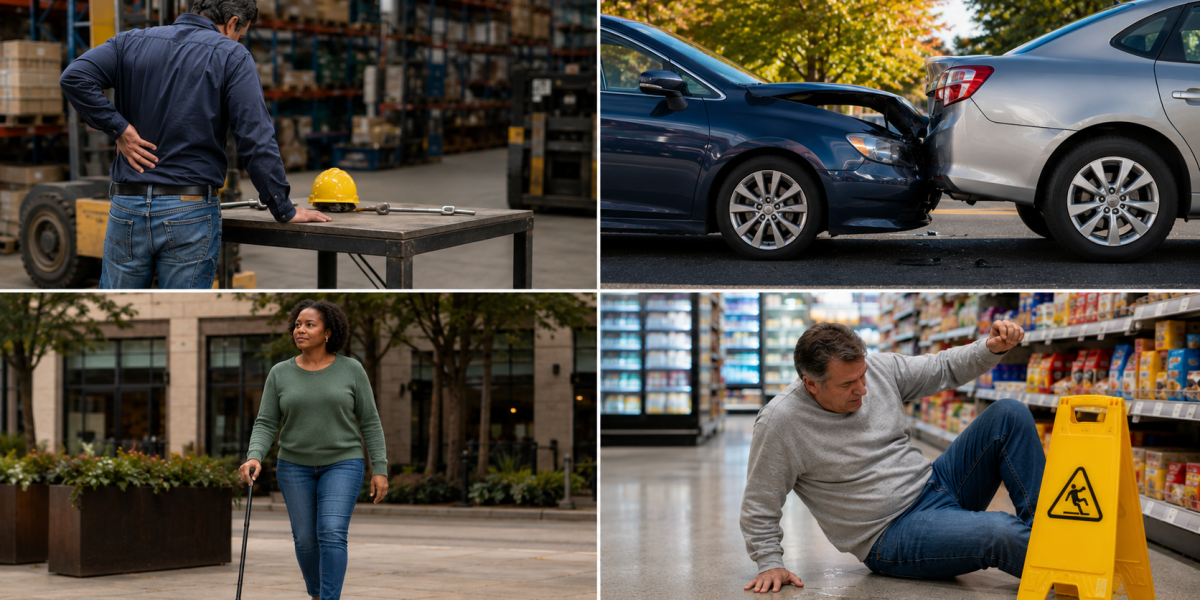
Insurance claims are often supported by medical records, statements, photographs, and other documents. However, paperwork does not always show how an injury affects someone’s daily life. That is where insurance surveillance investigations may help.
Surveillance gives insurance carriers and defense attorneys a way to observe and document activities that take place in public view. The goal is to collect facts, not to make medical or legal decisions. When surveillance is planned carefully and conducted lawfully, it can provide useful information about a claim. Below, we explain what these investigations involve, when they may be appropriate, and what clients can expect.
What Are Insurance Surveillance Investigations?
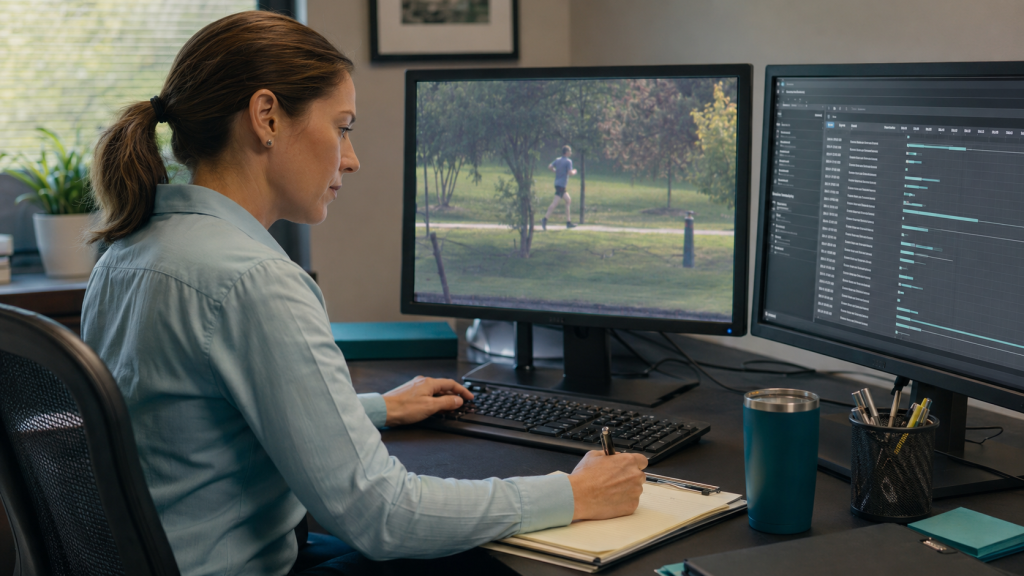
Insurance surveillance investigations involve observing and documenting a person’s activities as they happen in public. These investigations are often requested by insurance carriers, third-party administrators, self-insured employers, and insurance defense attorneys.
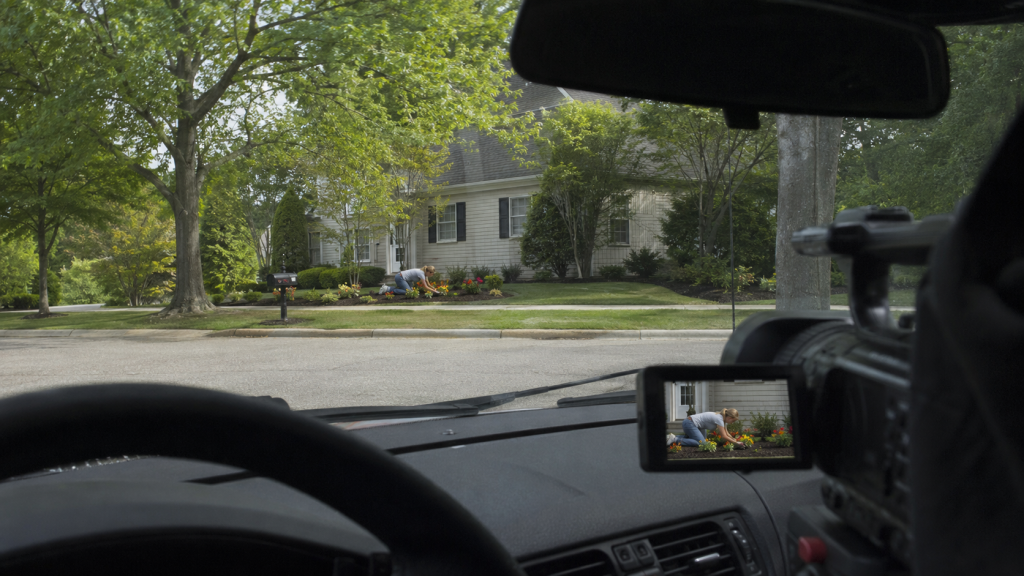
Surveillance may be used when a person has made a claim involving an injury, disability, or physical limitation. The investigator observes the person without making contact. When possible, the investigator records video of activities that can be seen from a lawful public location.
The purpose is not simply to “catch” someone doing something wrong. Surveillance is a fact-gathering tool. It may document activity that appears inconsistent with a reported limitation. It may also show that the person’s activity is consistent with the claim.
For example, someone may report that a back injury limits their ability to bend, lift, or stand for long periods. During surveillance, the person may be seen carrying groceries, doing yardwork, attending an event, or entering a medical office. The investigator records what occurs without deciding what the activity means medically.
This distinction is important. Private investigators do not diagnose injuries. They do not determine whether a claim should be paid or denied. They provide objective documentation that can be reviewed with the other evidence in the case.
A surveillance report commonly includes:
- The date and hours of the investigation
- The locations checked
- A description of the person and any known vehicles
- A timeline of observed activities
- Details about movements or physical actions
- Relevant photographs or video
- An explanation of any periods when the person was not visible
A good report separates facts from assumptions. Instead of writing that someone “did not appear injured,” an investigator may describe the exact activity observed. For example, the report might state that the person bent at the waist, lifted a box with both hands, and carried it approximately 30 feet. The report may also note whether the person used any visible medical device or support apparatus during the observation, such as a cane, back brace, wheelchair, sling, or other support device.
That language allows the client, attorney, medical professional, or claims examiner to evaluate the activity based on the needs of the case.
What Types of Cases Require Insurance Surveillance Investigations?
Insurance surveillance investigations may be considered in many types of claims. They are especially useful when a claim includes questions about a person’s activities, mobility, physical abilities, employment, or daily routine.
Workers’ compensation claims are one common example. An employee may report that a workplace injury prevents certain movements or makes it difficult to return to work. Surveillance may help document the person’s activities away from the workplace.
The California Division of Workers’ Compensation explains that workers’ compensation fraud can include knowingly making a false or fraudulent statement to obtain or deny benefits. However, an inconsistency does not automatically prove fraud. It may have an innocent explanation, and all evidence must be considered in context. California Division of Workers’ Compensation glossary
Insurance surveillance may also be used in:
- Personal injury claims
- Disability claims
- Auto accident claims
- Claims involving injuries on someone else’s property, such as a slip-and-fall accident at a big-box store
- General liability matters
- Suspected staged-loss claims
- Claims involving possible unreported employment
- Cases involving questions about physical restrictions
Not every claim requires surveillance. The decision should be based on the facts of the case. Surveillance tends to be more useful when there is a clear question that observation may help answer.
For example, a claims file may contain conflicting descriptions of the person’s abilities. A medical report may state that the person should avoid lifting, while another source suggests that the person regularly performs physical work. Surveillance could help provide current information about the person’s public activities.
Timing also matters. Surveillance may be more productive when it is connected to a known event or routine. This could include a medical appointment, court date, scheduled activity, sporting event, workday, or weekend gathering. Investigators may also use lawful preliminary research to identify possible addresses, vehicles, employment, or patterns of activity.
A strong surveillance assignment begins with a focused objective. “Watch the subject” is broad. “Document whether the subject performs activities involving prolonged standing, bending, lifting, or overhead reaching” gives the investigator clearer direction.
There is never a guarantee that useful activity will occur. A person may remain inside, leave in an unknown vehicle, or have a quiet day. Even so, careful planning can improve the chance of obtaining meaningful results while avoiding unnecessary time and expense.
How Are Insurance Surveillance Investigations Conducted?
Insurance surveillance investigations usually begin before the investigator enters the field. The client provides the known facts, the reason for the assignment, and the specific concerns that need to be addressed.
The investigator may review an address, physical description, photograph, known vehicles, work information, appointment schedule, and relevant reported limitations. This preparation helps the investigator identify the correct person and choose an effective starting time and location.
Once in the field, the investigator generally works from a position where the person’s activities can be lawfully observed. The investigator must remain discreet while also keeping a usable view of the residence, vehicle, business, or other location involved.
If the person leaves, the investigator may follow in a surveillance vehicle. The investigator must obey traffic laws and avoid actions that could place anyone in danger. If visual contact is lost, the investigator may check likely destinations or return to a known location. Safety and lawful conduct take priority over obtaining video.
Surveillance requires patience. An investigator may wait for hours before activity occurs. During that time, conditions can change. Traffic may block the view. A vehicle may exit through another driveway. The subject may leave on foot or get into a vehicle that was not previously known.
Investigators must also respect privacy boundaries. Surveillance does not give an investigator permission to enter private property, look through covered windows, or record activities in places where a person has a strong expectation of privacy.
Audio recording requires additional care. California Penal Code Section 632 generally prohibits recording a confidential communication without the consent of all parties. For this reason, insurance surveillance conducted in California usually focuses on visual activity rather than private conversations. Recording laws may differ in other states. California Penal Code Section 632
Investigators should document their own actions throughout the assignment. Field notes may record arrival times, weather, visibility, vehicle movements, locations checked, and reasons surveillance was moved or discontinued.
At the end of the investigation, the investigator prepares a written report and preserves the original video. The report should match what the video shows. It should not exaggerate an activity, hide an unproductive period, or suggest that an observation proves more than it actually does.
Professional insurance surveillance investigations are built on lawful methods, detailed documentation, and neutral reporting. The investigator’s credibility may become just as important as the video itself.
What Evidence Is Collected During Insurance Surveillance Investigations?
The most recognizable evidence collected during insurance surveillance investigations is video. However, the final work product usually includes much more than a group of video clips.
Video may show walking, driving, shopping, lifting, bending, reaching, working, exercising, performing household tasks, or taking part in recreational activities. It may also document the use or absence of a visible cane, brace, wheelchair, sling, or other support device.
The investigator should describe movements carefully. Useful observations might include:
- How long the person remained standing
- Whether the person bent, crouched, or knelt
- Whether one or both arms were used
- Whether an object was lifted or carried
- The approximate size of the object
- How far the person carried it
- Whether the person entered or exited a vehicle without visible assistance
- Whether movements appeared slow, guarded, or unrestricted
- Whether the person stopped to rest
These details provide more value than broad statements. Saying that a person was “very active” leaves room for debate. Describing the person unloading six bags, making four trips between a vehicle and a residence, and bending into the trunk each time gives the reader specific facts.
Photographs may be collected to confirm a residence, vehicle, business, or location. Investigators may also document publicly visible signs, company names, work equipment, or other details that help explain what is happening.
The written report connects everything together. It should provide a clear timeline from the investigator’s arrival through the end of the assignment. If there were long periods without activity, the report should say so. If the investigator could not confirm that the person was home, that should also be explained.
Evidence must be preserved carefully. Original recordings should be retained in their original form. Copies can be prepared for review, but editing should not change the meaning or order of events. Dates, times, file names, and storage methods may become important if the evidence is later used in a deposition, hearing, settlement discussion, or trial.
Surveillance evidence should also be reviewed beside the rest of the claim file. A short video clip rarely tells the entire story. A person may have good days and bad days. Someone may complete one task and experience pain afterward. Video shows what happened during a limited period. It does not show everything the person felt before, during, or after the activity.
The greatest value comes from accurate evidence that helps the client evaluate the claim fairly.
How Long Do Insurance Surveillance Investigations Usually Take?
There is no set length for insurance surveillance investigations. Some assignments produce useful activity within a few hours. Others require several days spread across different dates and times.
Many surveillance assignments are conducted in blocks of time. A four-hour, six-hour, or eight-hour session may be scheduled depending on the objective and known routine. The right length depends on where the person is expected to be, what activity is relevant, and how likely that activity is to occur.
Several factors may affect the time required:
- Whether the current address is confirmed
- Whether the person’s vehicle is known
- The layout of the neighborhood
- The person’s usual schedule
- The time of a medical appointment or event
- The type of activity the client hopes to document
- Weather, traffic, and visibility
- Whether the person uses more than one vehicle or residence
An early morning start may be appropriate if the objective is to determine whether someone leaves for work. Weekend surveillance may make more sense when the concern involves recreation, home projects, sports, or social activities. Surveillance around a known appointment may help confirm identity and provide a starting point for continued observation.
One unproductive day does not always mean that surveillance has failed. The person may simply have stayed home. At the same time, repeating the same approach without new information can waste resources.
After each session, the investigator and client can review what occurred. They may decide to stop, schedule another date, change the start time, or conduct limited research before returning to the field.
California’s Division of Workers’ Compensation monitors the administration of workers’ compensation claims and helps resolve disputes connected to benefits. Surveillance can provide information for that process, but it does not replace medical records, testimony, or the formal review of a claim. California Division of Workers’ Compensation
A well-planned investigation focuses on quality rather than simply adding more hours. The goal is to select times that offer a reasonable chance of answering the client’s questions. Clear communication between the investigator and client helps keep the assignment focused, useful, and cost-conscious.
Understanding the Role of Insurance Surveillance Investigations
Insurance surveillance investigations can provide a clearer view of activities that documents alone may not show. They can support a claim, identify meaningful inconsistencies, or confirm that reported limitations appear consistent with observed behavior.
The strongest investigations begin with a specific objective and realistic expectations. They are conducted lawfully, documented carefully, and reported without exaggeration. Most importantly, surveillance should be treated as one part of a larger claim review.
Proven Private Investigators works with insurance carriers, third-party administrators, employers, and defense attorneys to conduct professional surveillance investigations throughout California. Every assignment is planned around the facts, needs, and budget of the individual case.